Mosquitoes are one of the most annoying pests that we encounter during the summer months. Not only do mosquito bites cause itchy rashes, but they can also transmit dangerous diseases like dengue fever, Zika virus, and malaria. Unfortunately, mosquitoes can invade our homes and cause even more problems.
If you are tired of dealing with pesky mosquitoes in your home and want to keep them at bay, then the solution might be simpler than you think. Indoor mosquito coils are an effective and safe way to control mosquitoes and other flying insects indoors. In this article, we will explore the benefits of using indoor mosquito coils, how to use them, and the best practices to get the ultimate mosquito control and eradication solution for your home.
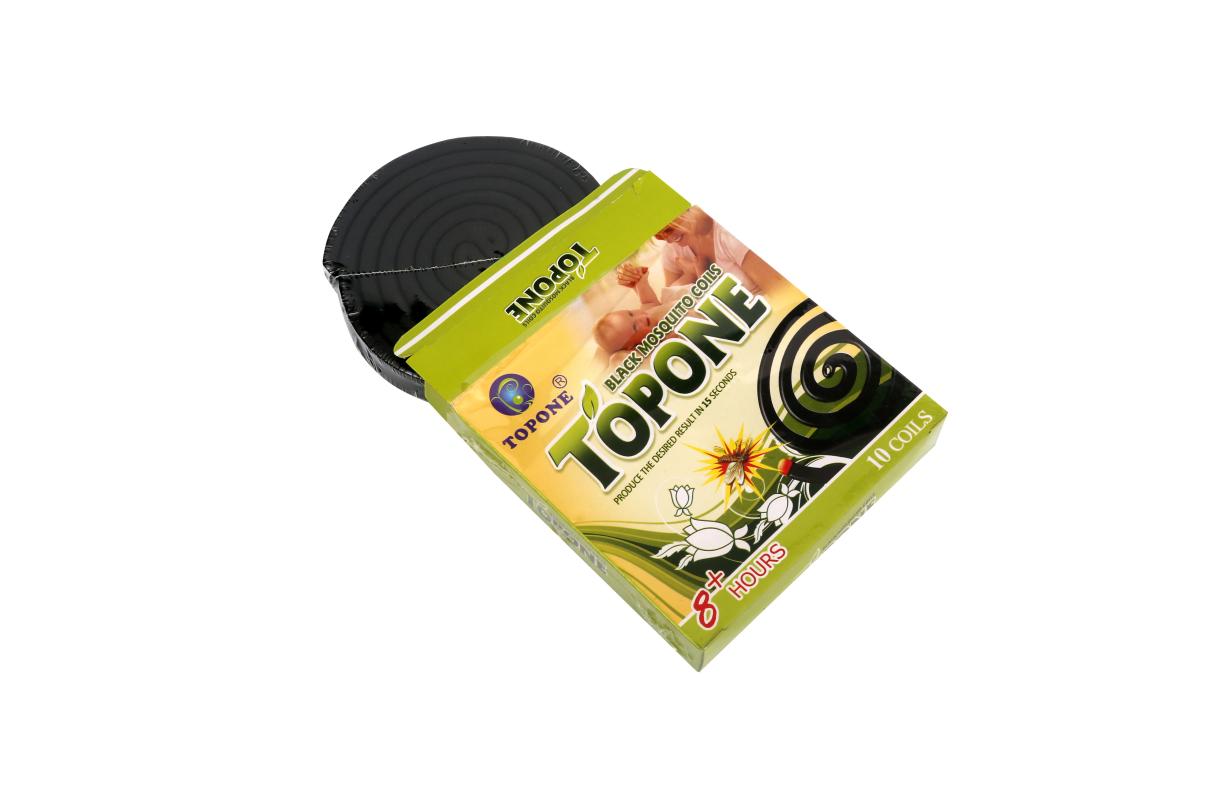
The Benefits of Using Indoor Mosquito Coils
They are an excellent way to control mosquitoes, midges, and other flying insects from entering your home. They are easy to use and do not require electricity, which makes them an ideal solution for indoor pest control. Here are some benefits of using indoor mosquito coils:
1. Mosquito repellent: Mosquito coils work by releasing a vapor that contains insecticide. This vapor repels mosquitoes and other flying insects, keeping them away from your home.
2. Easy to use: They are easy to use. Simply light the coil and put it in an appropriate place. When the coil starts to burn, it releases smoke that repels mosquitoes and other flying insects.
3. Safe: They are safe to use. They are made from natural materials and do not contain toxic chemicals, making them safe for you, your family, and your pets.
4. Cost-effective:They are an inexpensive way to control mosquitoes and other flying insects. They are affordable and readily available in the market, making them an ideal choice for those on a budget.
How to Use Indoor Mosquito Coils
1. Choose the right location: Choose a location where mosquitoes are likely to be active. For example, place the coil near open windows, around doorways, or in corners of the room.
2. Light the coil: Use a lighter or match to light the tip of the coil. Be careful not to burn yourself or anything around you.
3. Let it burn: As the coil burns, it will release smoke that repels mosquitoes and other flying insects. Ensure that there is proper ventilation in the room to avoid inhaling the smoke.
4. Blow it out: When you finish using the coil, blow out the flame to extinguish it.
5. Dispose of the coil: Once the coil has burned completely, dispose of the ashes and coil in the trash.
6. Repeat as needed: Use indoor mosquito coils as needed to keep mosquitoes and other flying insects away from your home.
Best Practices for Using Indoor Mosquito Coils
Using indoor mosquito coils is simple, but there are a few best practices that you should keep in mind to get the most out of them. Here are some things to keep in mind:
1. Do not use too many coils at once: Using too many coils in one room can be dangerous. It can lead to an increase in carbon monoxide levels in the air, which is dangerous to breathe in. Use only one or two coils in a room at a time.
2. Use in a well-ventilated room: Ensure that there is proper ventilation in the room where you use the coil. This will allow the smoke to dissipate and prevent carbon monoxide buildup.
3. Do not leave the coil unattended: Never leave the coil burning unattended. Always supervise it and keep it away from children and pets.
4. Keep away from combustible materials: Mosquito coils can ignite combustible materials like curtains, paper, and furniture. Keep the coil away from these materials and avoid placing them too close to the coil.
In conclusion, they are an easy and effective way to control mosquitoes and other flying insects in your home. They are safe, affordable, and readily available in the market. Use indoor mosquito coils as needed to keep your home mosquito-free. Follow the best practices mentioned above for safe and effective use. With indoor mosquito coils, you can keep mosquitoes at bay and enjoy a summer without the constant itch of mosquito bites.